

Anxiety After Surgical Menopause: When It’s Physical, Not Psychological
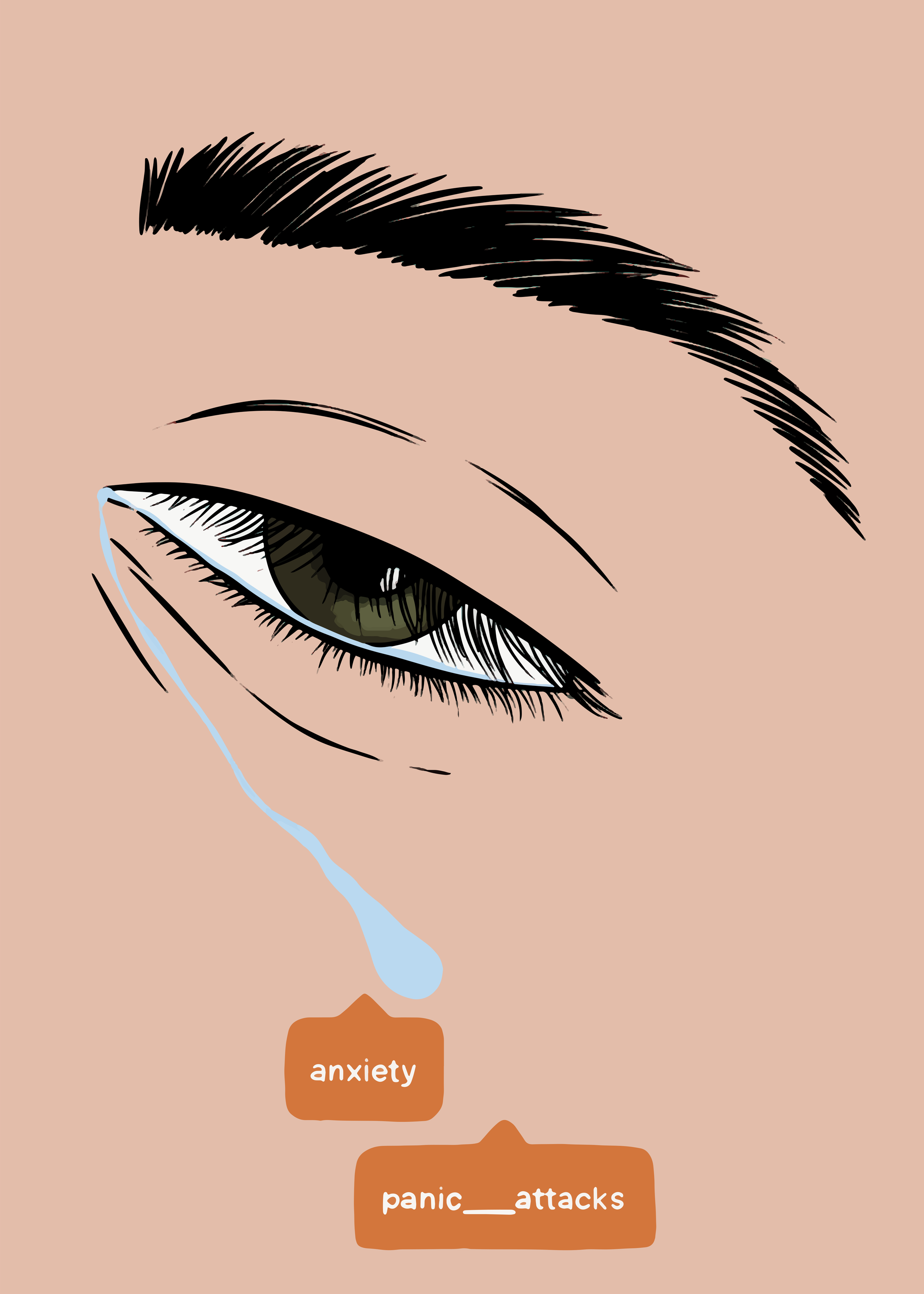
Anxiety after surgical menopause can feel sudden, intense, and unfamiliar. Racing thoughts, panic, chest tightness, breathlessness, a constant sense of unease. Many women say it feels different from anxiety they’ve experienced before.
That’s because it often is.
Why anxiety can spike after ovary removal
Oestrogen helps regulate neurotransmitters involved in calm, threat perception, and emotional control. When levels drop abruptly, the brain can become more sensitive to stress signals.
This can trigger a heightened fight-or-flight response, even in situations that wouldn’t previously have caused anxiety. Your body may feel constantly on edge, scanning for danger, struggling to settle.
This is a physiological response, not a character flaw.
Why anxiety is often mislabelled
Because anxiety presents emotionally, it’s often framed as purely psychological. Women may be offered reassurance, told to “try to relax”, or prescribed treatments without discussion of hormonal or nervous system drivers.
That can feel invalidating, and can increase fear that something is seriously wrong.
Understanding the physical component of anxiety is often the first step toward managing it.
How anxiety may show up
Anxiety after surgical menopause doesn’t always look like worry. It can show up as irritability, restlessness, insomnia, nausea, dizziness, or feeling unable to tolerate noise, crowds, or pressure.
It may come in waves, or appear out of nowhere.
Supporting a sensitised nervous system
Strategies that calm the nervous system can help reduce anxiety over time. This includes prioritising sleep, pacing activities, avoiding excessive caffeine or alcohol, and practising slow, steady breathing when panic rises.
If you’re using HRT, anxiety may ease as hormone levels stabilise. If you’re not, these supportive measures become even more important.
SURGE Suggestions
Recognise anxiety as a body response, not a personal failing
Reduce stimulants such as caffeine if symptoms are severe
Use slow breathing to signal safety to the nervous system
Build rest into your day before exhaustion sets in
Seek support if anxiety feels unmanageable or persistent
