

Hormone replacement therapy, explained
How does hormone replacement therapy really work for women in surgical menopause – and is it necessary?

Kate Dyson
Dr Deepali Misra-Sharp
Dr Sally Doust
Written By:
Medically Reviewed By:
How hormone therapy works
Hormone Replacement Therapy (HRT) does exactly what its name suggests; it replaces the hormones your ovaries would have continued to produce naturally until midlife. After ovary removal, levels of oestrogen, progesterone and testosterone drop sharply, and that sudden loss affects almost every part of the body: your heart, bones, brain, skin, muscles, and emotional balance.
HRT isn’t about “boosting” your hormones or turning back time. It’s about restoring equilibrium – replacing what’s missing to keep the body functioning at its best. For women who experience surgical menopause, this is especially important because the hormonal drop is immediate and total, rather than gradual. HRT isn’t the same as your natural hormones, but it can support your body and brain to relieve symptoms such as hot flushes, night sweats, insomnia and low mood, but also protects your long-term health.
What are your options?
There are several ways to take HRT, and the right one for you will depend on your symptoms, medical history, and personal preference. The goal is always the same: to restore balance and protect your body – safely, effectively and in a way that fits your lifestyle, and this decision needs thorough discussion with your prescribing clinician. It’s important to feel confident in what HRT you are using, why you are using it, and how to use it as this will encourage consistency in your routine.
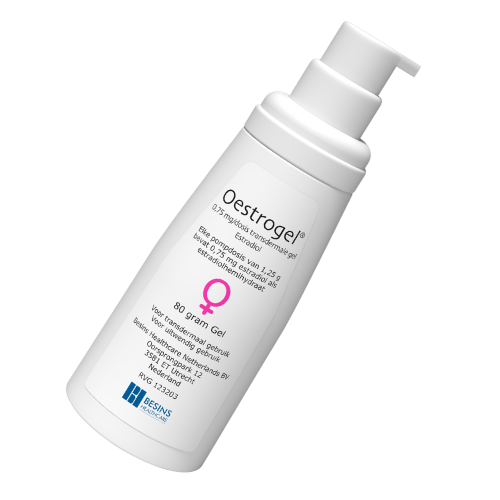
Transdermal oestrogen (patch, gel, or spray)
Most women after surgical menopause use transdermal oestrogen, which is absorbed directly through the skin. This method provides a consistent release of hormone into the bloodstream without passing through the liver, reducing the risk of blood clots or stroke.
Common brands include Evorel, Estradot (patches), Oestrogel, Sandrena (gels), and Lenzetto (spray). Transdermal oestrogen is considered the gold standard for safety and effectiveness. It delivers steady hormone levels, is suitable for women with migraine or higher BMI, and can be easily adjusted if symptoms persist.
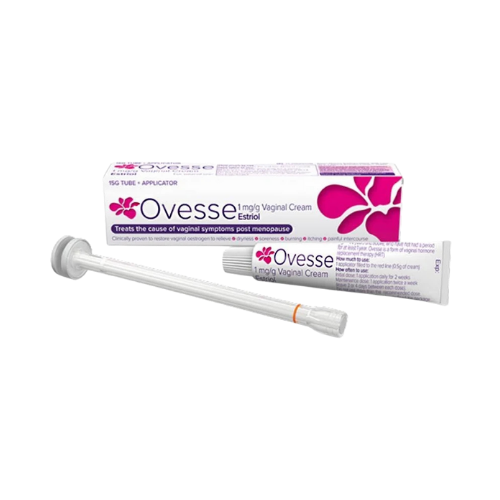
Vaginal oestrogen (localised treatment)
Vaginal oestrogen acts directly on the vaginal and urinary tissues and is available as creams (such as Ovestin), pessaries (like Vagifem), or the Estring ring, which releases oestrogen gradually over three months. Localised treatment is safe to use long term and can be combined with systemic HRT. It restores elasticity and moisture, reduces discomfort during sex, and helps prevent recurrent urinary infections, which is a common issue after surgical menopause. These symptoms are often referred to as ‘genitourinary symptoms of menopause’ or GSM.
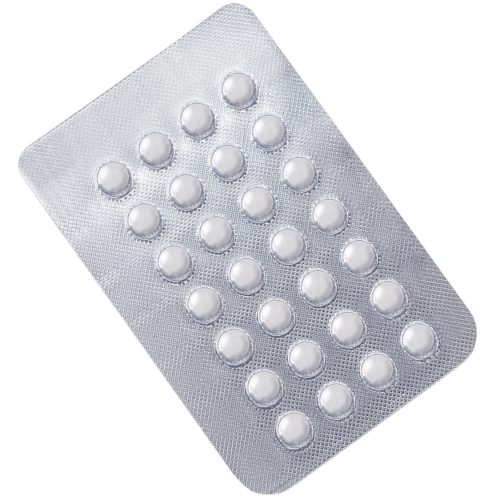
Oral oestrogen (tablets)
Some women prefer tablets for simplicity, but because oral oestrogen is processed through the liver, it can slightly increase the risk of clotting and may cause fluctuating hormone levels. It remains a valid choice for women who tolerate it well, or when patches or gels aren’t suitable or you want to try a different method due to absorption difficulties.
Combined oestrogen and progesterone therapies
If you still have your womb or have a history of endometriosis, you’ll be encouraged to take progesterone alongside oestrogen to protect the uterine lining from thickening. This can be taken orally as micronised progesterone (Utrogestan), inserted vaginally, or provided through a Mirena IUS coil if you have retained your uterus.
Some women who no longer have a womb still choose to use progesterone for its calming and sleep-enhancing effects. It’s bioidentical to the hormone your body naturally produced and can be especially helpful if anxiety or insomnia are persistent issues. GPs can be reluctant to prescribe progesterone to women without a uterus due to guidelines from NHS and NICE, so you may benefit from requesting a referral to a menopause specialist if you believe you may benefit from progesterone.
Testosterone
Although often thought of as a male hormone, testosterone plays a vital role in women’s energy, motivation, concentration and sexual desire. The ovaries naturally produce small but powerful amounts of testosterone, and removing them cuts levels by about half. Replacing it can help restore libido, focus, confidence and overall wellbeing.
Clinicians may prescribe testosterone off-label in carefully adjusted doses using formulations designed for men, such as Testogel or Tostran. These are safe and effective when prescribed correctly, with regular blood monitoring to ensure levels stay within the female physiological range.
A preparation created specifically for women – AndroFeme 1%, a cream applied daily to the skin – is now licensed in the UK but not yet widely available through NHS prescriptions. It’s expected to become accessible to NHS clinicians in 2026, once procurement pathways and training are in place.

Finding the right dose for you
There may be times when you notice your levels are dipping temporarily - after being poorly, or going through a stressful time and this is common for many women – even those who usually have optimum hormone levels. If you’re still experiencing symptoms after several weeks of treatment, it doesn’t mean HRT isn’t working; it might simply mean you need a higher dose, a different delivery method, or an additional hormone like testosterone. Blood testing can help guide these adjustments, but so can your own experience and symptoms – how you feel day to day is often the best indicator when requesting a review.

Getting the balance right takes time. Every woman absorbs and processes hormones differently — there’s no universal “correct” dose. The Glynne et al., 2025 study found that up to one in four women had low blood oestradiol levels despite using the highest licensed transdermal dose (a 100 mcg patch twice weekly or four pumps of gel daily).
HRT brings your body back into balance, but it isn’t a perfect replica of our natural hormone function. It’s important to understand that HRT alone isn’t a ‘magic bullet’ that will make everything better overnight. It should be part of a holistic approach to your hormone health that also incorporates lifestyle care such as movement, nutrition, rest, and stress management.
Continuous
v Sequential HRT
What’s the difference?
After surgical menopause, hormone levels fall abruptly, so continuous combined HRT is usually recommended. This means oestrogen is taken every day, with progesterone also taken continuously if the uterus or cervix is retained. The aim is to keep hormone levels stable, reduce symptom flares, and avoid the mood changes and bleeding that can come with cycling hormones.
Sequential HRT, where progesterone is taken for part of the month, is more commonly used in perimenopause and is not the default after ovary removal. However, it may be considered in specific cases, such as short-term use if continuous progesterone isn’t well tolerated. Guidance from the British Menopause Society stresses that HRT after surgical menopause should be individualised, reviewed regularly, and adjusted to suit the woman’s symptoms and needs.
Understanding licensed oestrogen and progesterone doses
Finding the right HRT dose is rarely straightforward. Every woman absorbs and responds differently, and what feels like a “high” or “low” dose for one person might not have the same effect for another.
This guide below outlines the standard licensed dose ranges for commonly prescribed oestrogen and progesterone products in the UK.
Remember: these doses are just a framework. Absorption varies between individuals, and many women (especially after surgical menopause) may need adjustments or off-label doses to achieve symptom control and protective hormone levels.
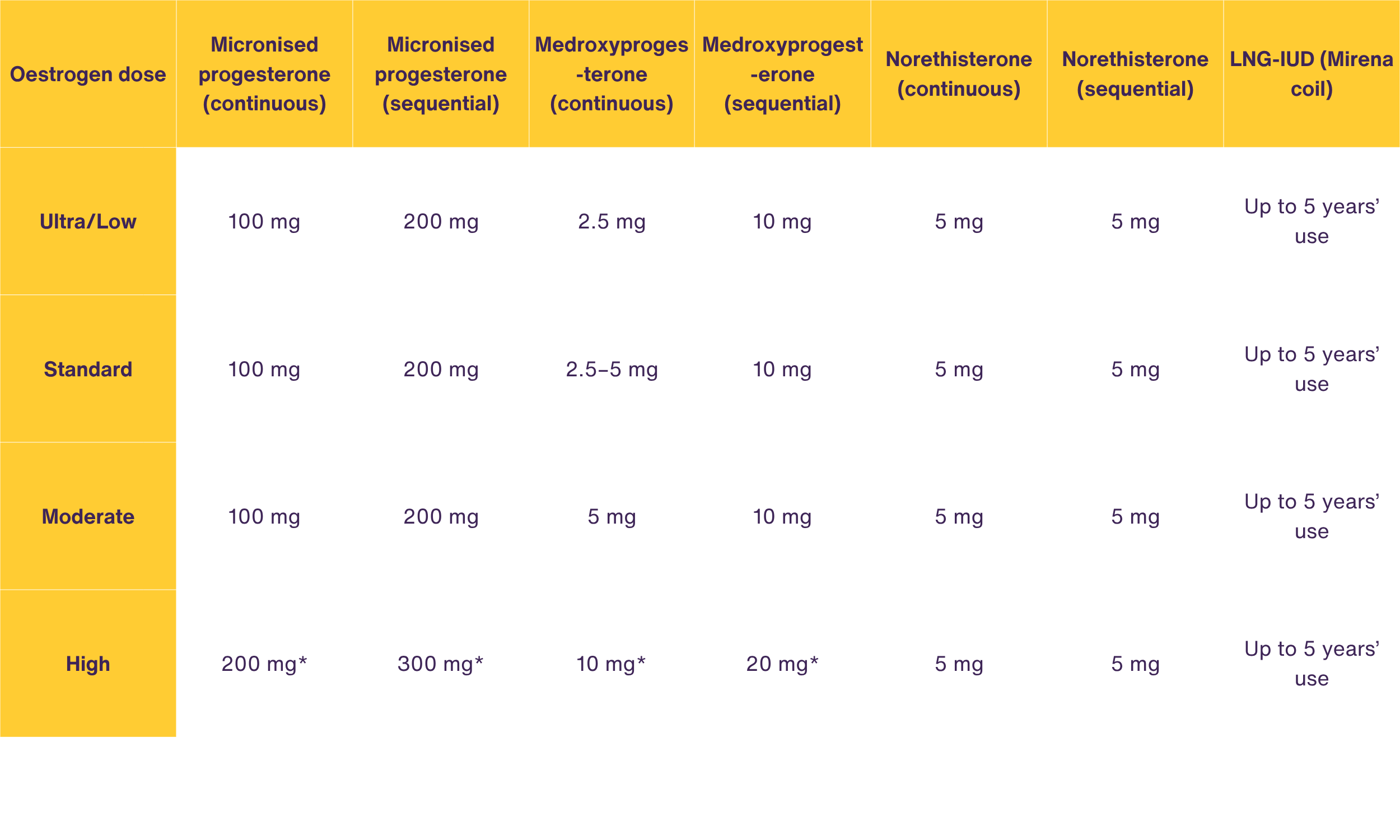
These ranges show the typical starting points for licensed HRT prescriptions. Your clinician may adjust your dose depending on your symptoms, absorption, and blood results. High dose may include off-license use — occasionally required to achieve symptom control | µg = micrograms | mg = milligrams
What is “off-label” prescribing?
“Off-label” prescribing means using a medication outside the strict terms of its licence, but still within recognised clinical evidence. In menopause care, this often means using higher or combined doses of oestrogen, or adding testosterone, to reach healthy blood levels and relieve symptoms.
For women in surgical menopause, off-label prescribing is frequently essential. Research such as the Glynne et al., 2025 study shows that up to one in four women don’t absorb transdermal oestrogen efficiently, even at the highest licensed dose. Without flexibility, these women remain under-treated and symptomatic.
Although off-label HRT is considered safe and evidence-based – and supported by the British Menopause Society and NICE – access on the NHS can still be inconsistent. Many GPs are understandably cautious about prescribing beyond licensed doses, especially if they haven’t had specialist menopause training. This can leave women in surgical menopause under-treated or advised to seek private care for treatment that should be standard.
Women in surgical menopause are entitled to be referred to an NHS menopause specialist for individualised assessment and treatment. If your GP isn’t comfortable prescribing higher or combined doses, you can ask for a referral to a specialist service. You can also share British Menopause Society guidance or request that your GP continue your prescription under a specialist’s supervision.
Women shouldn’t have to pay privately to feel well after surgery — but until access improves, understanding your options and knowing your rights can make a real difference.
Monitoring and follow-up
Once you start HRT, you should have a review after about three months, and then at least once a year. These reviews help ensure that your dose is right and that you’re absorbing the hormones effectively. Your clinician may check your blood pressure, discuss any side effects, and, if needed, arrange blood tests to measure oestradiol or testosterone levels.
There’s no fixed “end date” for HRT. You can continue as long as the benefits outweigh any risks — and for women who enter menopause early or surgically, that often means continuing well beyond the average menopause age.
If you don’t feel right, keep advocating. The right balance exists, and you’re entitled to find it.
Why HRT matters
HRT is not simply about symptom control. It’s about protection — preserving your long-term heart, bone, and brain health — and about restoring the sense of steadiness and energy that hormone loss can take away. When prescribed and monitored correctly, HRT is one of the most effective and evidence-based treatments in women’s health today.
Surgical menopause can feel like your body has changed overnight. HRT helps bring it back into alignment, allowing you to feel like yourself again — not a different version, but a balanced one.