

Long term health risks of surgical menopause
Should you be worried? We’re here to offer reassurance, and help you live well – for longer.

Kate Dyson
Dr Sally Doust
Written By:
Medically Reviewed By:
What are the long term health risks of surgical menopause?
When both ovaries are removed before the natural age of menopause, our body experiences an immediate and complete loss of oestrogen, progesterone, and testosterone. These hormones influence almost every part of our body and organ – from the heart and bones to the brain and skin – and their sudden absence can accelerate age-related changes that would otherwise occur gradually.
Research consistently shows that women who undergo early or surgical menopause face greater risks to long-term health, particularly if hormone replacement therapy (HRT) is not prescribed promptly and continued until at least the average age of menopause (around 51 years)
Let’s look at how surgical menopause impacts our long term health:
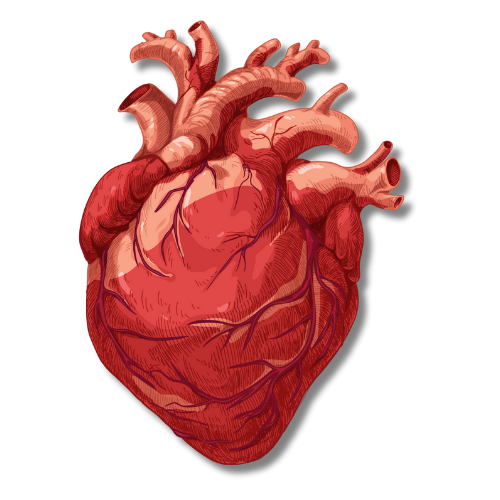
Heart and cardiovascular health
Oestrogen helps to regulate cholesterol, maintain healthy blood vessels, and reduce inflammation. When its levels fall abruptly, the risk of cardiovascular disease rises sharply.
A BMJ 2021 cohort study followed more than 200,000 women who had hysterectomies for benign reasons. Those who had both ovaries removed before age 45 had a 31% higher risk of death from all causes, mainly driven by non-cancer deaths such as heart disease. Similar patterns were echoed in a Danish study, which reported higher rates of cardiovascular and metabolic disease following ovary removal.
Timely oestrogen therapy has been shown to reverse many of these changes, improving lipid profiles, vessel elasticity, and cardiac protection which helps to reduce our risk and impact on our long term health.
Bone strength and osteoporosis
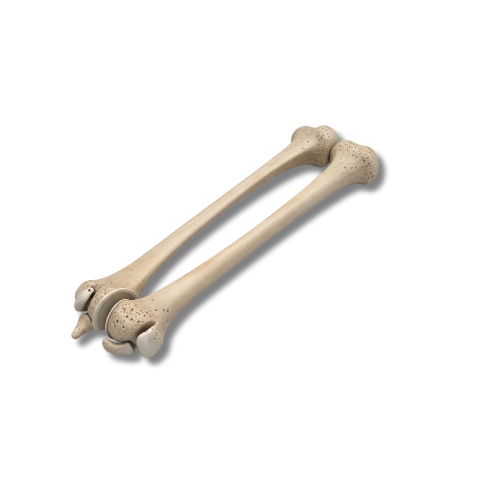
Oestrogen protects bone tissue by balancing the natural process of bone breakdown and renewal. Its loss causes a rapid fall in bone mineral density and this can lead to vulnerability causing breaks and fractures of our bones.
In 2015, a Mayo Clinic study indicated that women who underwent surgical menopause lost bone twice as quickly as those who reached menopause naturally.Within a year of ovary removal, bone resorption markers more than doubled, and bone mineral density declined significantly – unless HRT was started soon after surgery. Oestrogen replacement remains the most effective way to prevent post-surgical osteopenia, osteoporosis, and fractures.
For women unable to take HRT
For women who are unable to take HRT, there are still effective ways to protect bone health and reduce the risk of osteoporosis after surgical menopause. Regular weight-bearing and resistance exercise helps maintain bone density by stimulating bone growth and strengthening the muscles that support joints. A diet rich in calcium and vitamin D supports bone renewal, while maintaining a healthy body weight and limiting alcohol and smoking can further lower risk. Some women may also benefit from bone-strengthening medications such as bisphosphonates, prescribed by their clinician. Regular bone density scans can help track changes and guide treatment early, before fractures occur.
Bone health monitoring and DEXA scans
Every woman who experiences surgical menopause should be offered a DEXA scan (dual-energy X-ray absorptiometry) to assess bone density. The abrupt loss of oestrogen after ovary removal can cause rapid bone loss, even within the first 12 months, so establishing a baseline scan soon after surgery is vital.
Repeat scans every few years help track changes and identify early signs of osteopenia or osteoporosis, allowing treatment or lifestyle adjustments before fractures develop. Regular DEXA monitoring is especially important for women who can’t take HRT, have a low BMI, or other risk factors for bone thinning.

Brain health and cognition
Oestrogen has neuroprotective effects, supporting blood flow and cell communication in the brain. Early deprivation increases the risk of cognitive decline, dementia, and Parkinson’s disease.
The Mayo Clinic Cohort Study of Oophorectomy and Aging found that women who had their ovaries removed before the natural menopause were almost twice as likely to develop dementia later in life. Crucially, this increased risk was not seen in women who used oestrogen therapy until at least age 50 and showing the importance of HRT for those who can take it.
For women who cannot take HRT, there are still ways to protect brain health. Regular aerobic and resistance exercise, a Mediterranean-style diet rich in omega-3 fats, colourful fruits and vegetables, good sleep, and ongoing cognitive stimulation (such as learning, reading, or problem-solving) can all help preserve memory and executive function. Managing blood pressure, cholesterol, and blood sugar is also crucial, as cardiovascular health and brain health are closely linked.
Mood, anxiety, and mental health
The sudden hormonal crash after surgery can profoundly affect mood regulation. Studies show significantly higher rates of depression, anxiety, and emotional instability in women who experience surgical menopause.
In the Mayo Clinic study cited above, the likelihood of developing new-onset depression or anxiety increased with younger surgical age, and symptoms were more severe when no oestrogen was prescribed.
Beyond mood disorders, women frequently describe feelings of grief, loss of identity, and trauma following surgery – emotional consequences that require both medical and psychological support.
Small daily habits can help us to form a powerful foundation for mental health and wellbeing through surgical menopause and beyond.
Alongside hormone therapy, there are many other things that can support our long-term mental wellbeing — and these become especially important for women who are unable to take HRT.
Regular physical activity, particularly aerobic exercise and resistance training, has been shown to improve mood, sleep, and cognitive function by increasing blood flow to the brain and balancing stress hormones.
A Mediterranean-style diet, rich in oily fish, leafy greens, wholegrains, and healthy fats, provides essential nutrients for brain and nervous system health.
Mindfulness practices, such as meditation, yoga, or breathwork, can help reduce anxiety and regulate mood, while social connection – spending time with friends, community, or support groups – plays a vital role in protecting against depression and loneliness.
Keeping the mind active through learning, reading, creative hobbies and socialising helps maintain memory and focus, and making time for rest and restorative sleep supports emotional resilience.
Sexual and urogenital health
Oestrogen and testosterone play vital roles in maintaining the structure, blood flow, and sensitivity of the vulva, vagina, and surrounding tissues. When these hormones drop abruptly after ovary removal, many women experience genitourinary syndrome of menopause (GSM) — a cluster of symptoms that can include vaginal dryness, itching, burning, painful sex, recurrent urinary tract infections, urgency, and loss of bladder control.
The Royal College of Obstetricians and Gynaecologists’ Scientific Impact Paper No. 66 (Manchanda R et al., 2022) reports that up to 74 per cent of women experience some form of sexual dysfunction after premenopausal oophorectomy, even when using standard systemic HRT. This is because vaginal tissues depend on local oestrogen for lubrication and elasticity, and the urethra and bladder also contain oestrogen receptors that support urinary health.

How localised oestrogen supports your urogenital health
For women using systemic HRT, adding localised vaginal oestrogen (in the form of pessaries, creams, or vaginal rings) can significantly improve GSM symptoms and urinary comfort. These low-dose preparations act only on the local tissues and do not raise overall hormone levels, making them suitable for many women who cannot take systemic HRT.
For those unable to use any oestrogen, non-hormonal vaginal moisturisers and lubricants can help relieve dryness, while pelvic floor exercises and, in some cases, specialist physiotherapy or laser therapy may reduce pain and improve bladder control. Restoring vaginal comfort is not just about sex – it’s a key part of maintaining confidence, wellbeing, and daily quality of life.
Adding testosterone to oestrogen therapy can significantly improve libido, energy, and orgasmic response, and help restore a sense of sexual wellbeing. Self pleasure and masturbation can also support your sexual health, keeping tissues plump and reducing the risk of dryness and atrophy of the clitoris, labia and vagina.
Metabolic and immune function
Premature menopause increases the risk of central weight gain, insulin resistance, and type 2 diabetes, all of which contribute to metabolic syndrome and long-term cardiovascular risk. The JAMA 2021 Insight (Kaunitz AM et al.,)) found that early oestrogen deprivation disrupts lipid and glucose metabolism, leading to higher cholesterol, changes in body fat distribution, and accelerated multimorbidity – the build-up of chronic conditions affecting the heart, brain, and mental health.
Oestrogen therapy helps to reverse many of these changes, improving insulin sensitivity, stabilising blood sugar levels, and supporting a healthier balance between muscle and fat tissue. By reducing inflammation, HRT also helps lower the long-term risk of metabolic and cardiovascular disease.
How changes to our lifestyle can help
For women who can’t take HRT, lifestyle factors become even more important. Regular aerobic and resistance exercise helps to maintain muscle mass, reduce visceral fat, and improve blood sugar control. A balanced, anti-inflammatory diet rich in fibre, lean protein, and omega-3 fats supports metabolic and immune health, while reducing refined sugars and ultra-processed foods can help manage insulin resistance. Maintaining a healthy body weight, prioritising good sleep and stress management, and avoiding smoking or excess alcohol all play a crucial role in reducing metabolic risk.
Oestrogen also influences immune and inflammatory pathways, and its loss can make autoimmune conditions such as arthritis or thyroid disorders more likely or more severe. Keeping inflammation in check through diet, movement, and stress reduction — and ensuring regular blood tests to monitor thyroid and metabolic health — helps support the body’s balance in the absence of hormonal protection.
Overall mortality and multimorbidity
Across large-scale cohort studies, early surgical menopause consistently correlates with higher all-cause mortality, especially when HRT is omitted.
The BMJ 2021 Ontario study showed increased long-term mortality when ovaries were removed before 50.
The JAMA 2021 analysis found greater rates of chronic disease and premature ageing without oestrogen therapy.
Conversely, women who received appropriate HRT had outcomes comparable to those with natural menopause, demonstrating its protective power.

The role of HRT for long term health
All major medical bodies – including the National Institute for Health and Care Excellence (NICE), the British Menopause Society, the North American Menopause Society, and the Royal College of Obstetricians and Gynaecologists (RCOG) – recommend individualised HRT for all women who enter premature or surgical menopause, unless contraindicated.
Therapy should ideally begin immediately after surgery and continue until at least the average menopause age. Oestrogen, progesterone (if the uterus is retained or you have a history of endometriosis), and often testosterone together restore hormonal balance, protect long-term health, and improve quality of life.
Yet in practice, the gap in care remains stark. The 2024 audit by Cashell C et al. (Low levels of HRT prescribing for premenopausal women following bilateral salpingo-oophorectomy, IMS 2024) found that only 4.8 per cent of eligible women received HRT after surgery across three NHS hospitals audited in the study.

Thriving without HRT
Not every woman can take hormone therapy – and that can feel daunting after surgery, especially after reading the long term risks above. But while HRT offers strong protection for long-term health, it isn’t the only path to living well after surgical menopause. Our body remains adaptable and responsive, and there are many ways to support balance, strength, and vitality through lifestyle and proactive care.
The International Menopause Society’s 2025 White Paper on the Role of Lifestyle Medicine in Menopausal Health highlights the significant impact of nutrition, movement, sleep, stress management, and social connection on long-term wellbeing.
Regular exercise, particularly a mix of aerobic movement and resistance training, helps protect the heart, strengthen bones, and support mental clarity. A Mediterranean-style diet rich in healthy fats, protein, fibre, and antioxidants nourishes both body and brain, while keeping inflammation low. Mindfulness, therapy (CBT in particular is proven to be effective in supporting mental health during menopause and shown benefit for vasomotor symptoms), and social connection can ease anxiety and protect emotional wellbeing, and good sleep hygiene helps restore the nervous system.
Women who cannot take systemic HRT can still benefit from local vaginal oestrogen for genitourinary comfort and urinary health, and targeted medications such as bisphosphonates may be prescribed to protect bones. Regular health checks – including blood pressure, cholesterol, thyroid function, and DEXA scans – allow early intervention and ongoing care.
Most importantly, thriving after surgical menopause is about taking back control: understanding your body, finding what works for you, and building a supportive network around you. With the right information, lifestyle choices, and medical care, it is absolutely possible to protect your long-term health and feel well again, with or without HRT.