
Don’t feel like yourself in surgical menopause? It’s not surprising, but here’s why
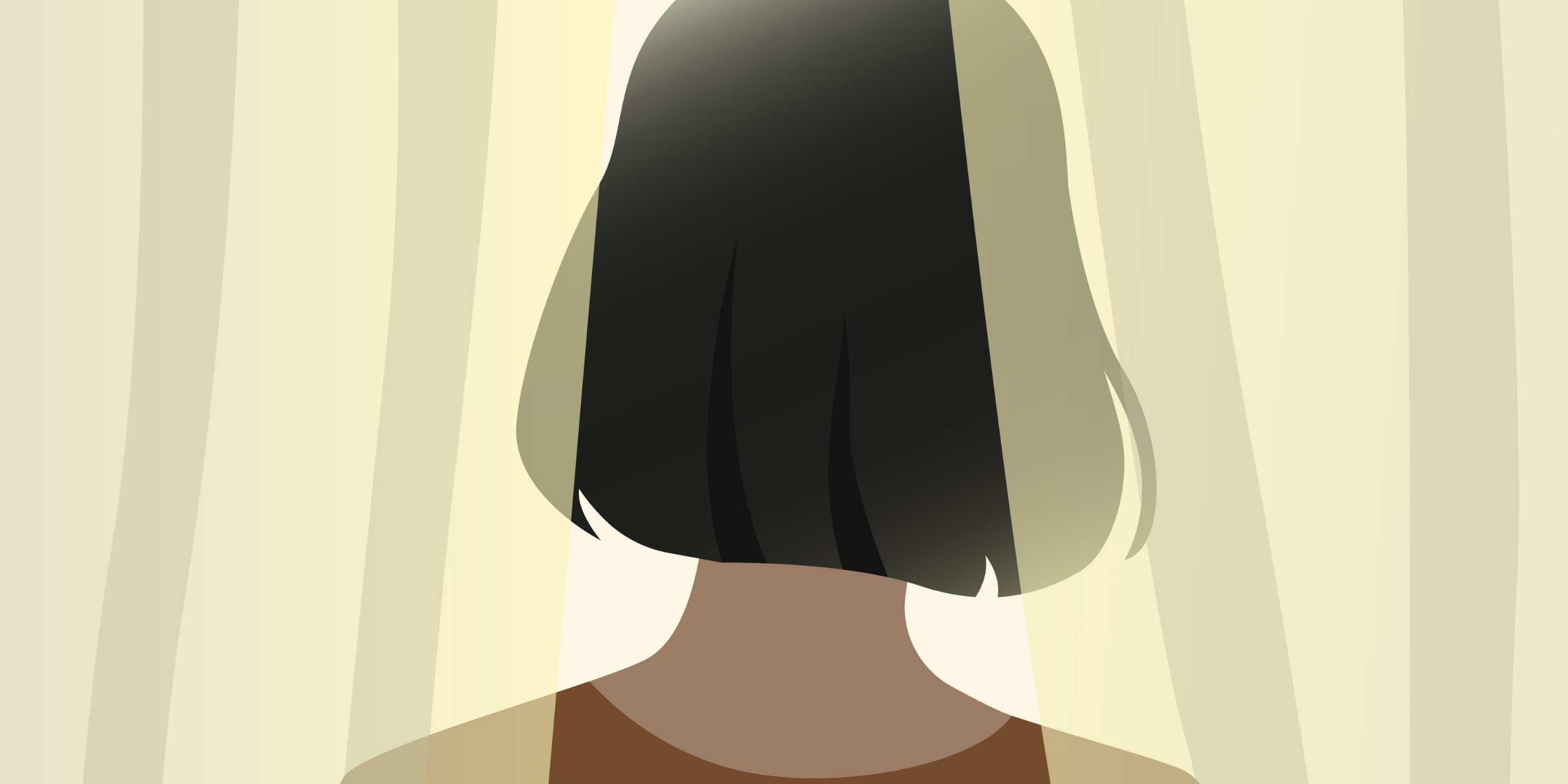
Many women describe the same quiet, unsettling thought after ovary removal: I don’t feel like me anymore.
That sense of disconnection can be harder to cope with than physical symptoms, especially when no one warned you it might happen.
It’s more common than we are told
Surgical menopause causes an abrupt loss of ovarian hormones, rather than the gradual shift seen in natural menopause. Oestrogen and testosterone both play a role in how the brain regulates mood, motivation, confidence, and emotional resilience.
When those hormones disappear suddenly, the brain has to recalibrate quickly. During that adjustment, it’s common to feel emotionally unfamiliar, flatter, more reactive, or less able to cope with stress.
Don’t worry, you aren’t undergoing a personality change. It’s a completely normal response from your nervous system.
The emotional impact of loss and change
Even if your surgery was absolutely necessary or life-saving, it can still carry grief. Loss of fertility, loss of bodily trust, loss of how things used to feel. These emotions are often unacknowledged, both by clinicians and by women themselves.
You may find yourself questioning your reactions, wondering why small things feel so big, or feeling guilty for struggling when you “should be relieved”, but it’s fine for both realities to coexist.
When HRT helps – and when it doesn’t
Some women find HRT helps restore emotional steadiness and a sense of familiarity. Others find it only partially helps, takes time, or isn’t an option at all. Regardless of hormone use, emotional adjustment still matters.
Mood changes are not a sign that HRT has failed, or that you’ve failed. They’re a sign that your system needs support.
Practical ways to support emotional adjustment
Many women feel pressure to push through and return to normal quickly. In reality, emotional recovery often improves when you do the opposite.
Creating predictability in your day can help the nervous system feel safer. So can reducing sensory overload, limiting stressful commitments, and allowing more rest than you think you “should” need.
Naming what’s happening also matters. Simply understanding that this experience is common can reduce fear and self-blame.
SURGE Suggestions
Give yourself permission to acknowledge emotional change without judgement
Reduce overstimulation where possible (noise, screens, pressure to perform)
Build gentle routines that provide structure and safety
Talk openly with someone you trust about how you’re really feeling
