
Mood Changes After Ovary Removal: What’s Normal and What Helps
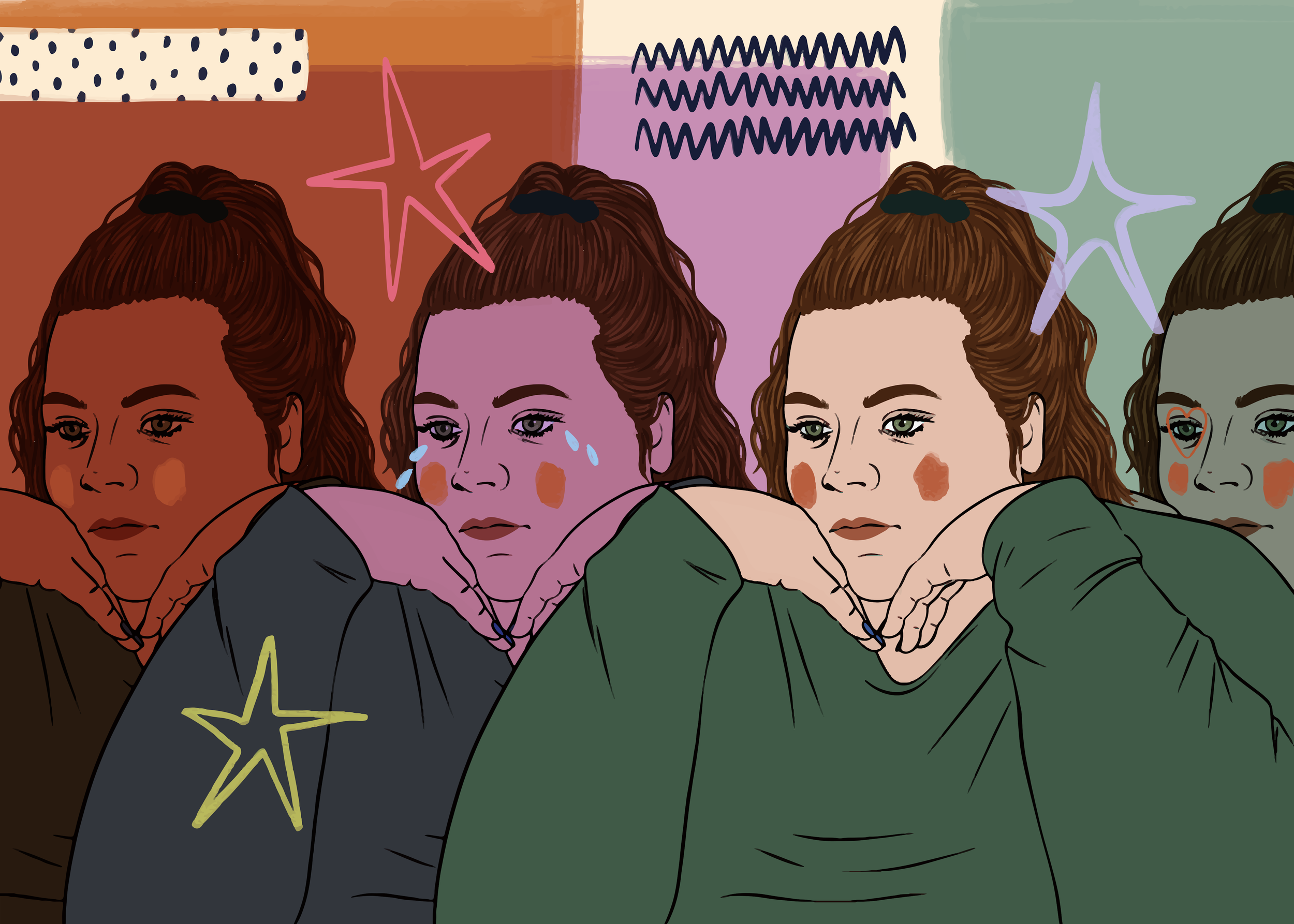
Mood changes after surgical menopause can be wide-ranging. Low mood, irritability, sudden anger, tearfulness, emotional numbness, or a sense of flatness are all commonly reported.
These shifts can be confusing, especially if you’ve never experienced mood problems before.
Why mood can change so dramatically
Ovarian hormones interact closely with brain chemistry. Their sudden loss can affect serotonin, dopamine, and stress hormones, all of which influence mood.
Unlike natural menopause, surgical menopause doesn’t give the brain time to adapt gradually. That abrupt change can destabilise emotional regulation.
What “normal” looks like
There’s a wide range of normal experiences. Some women feel low. Others feel emotionally blunted. Some swing between the two. Mood changes may improve with time, fluctuate, or persist longer than expected.
What matters most is whether symptoms are affecting your quality of life.
When to seek support
Low mood that lasts weeks or months, interferes with daily functioning, or includes feelings of hopelessness deserves attention. This is true whether or not you use HRT.
Support may include lifestyle adjustments, counselling, peer support, or medical input. None of these mean you’re failing to cope.
Small changes that can help
Stabilising sleep, eating regularly, moving gently, and reducing stressors can all support mood. Connection matters too. Isolation often worsens emotional symptoms, even when you don’t feel like socialising.
SURGE Suggestions
Track mood changes to notice patterns and triggers
Prioritise sleep and regular meals
Stay connected, even in small ways
Be honest with healthcare providers about emotional symptoms
Seek help early rather than waiting for things to worsen
