

Gentle Movement and Strength After Surgical Menopause
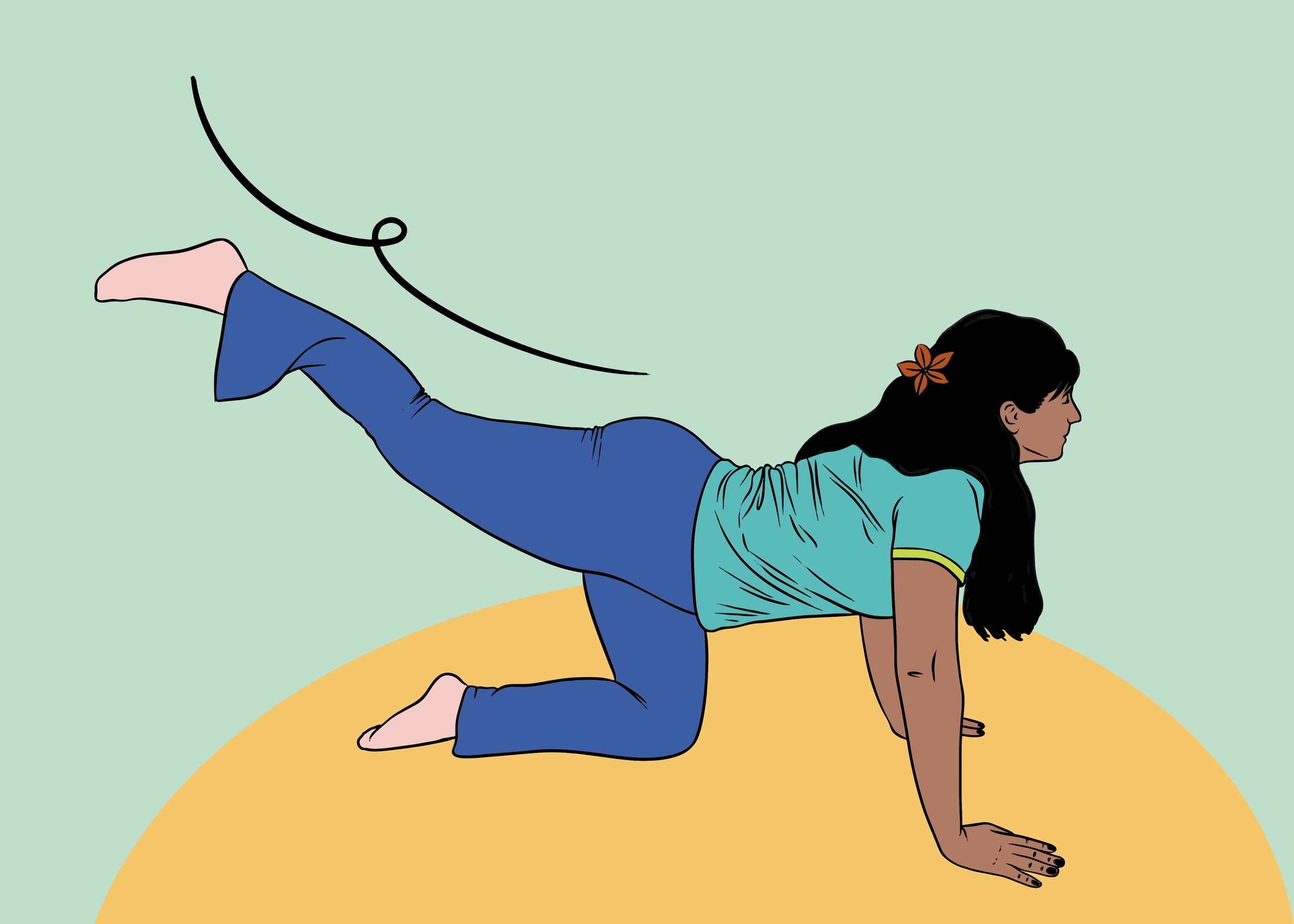
After surgical menopause, many women are told they need to exercise more to protect their bones, manage weight, and support long-term health. What’s rarely discussed is how different movement can feel once ovarian hormones are removed.
You may want to move, but find your body doesn’t respond the way it used to. Exercise might leave you wiped out for days, flare pain, or disrupt sleep. That disconnect can be frustrating, and for some women, it leads to giving up altogether.
The reality is that movement still matters — but how you approach it often needs to change.
Why strength still matters after ovary removal
Ovarian hormones play an important role in maintaining muscle mass, bone density, and connective tissue health. When those hormones drop suddenly, muscle loss can happen more quickly, and joints may feel stiffer or less resilient.
Strength work helps counteract this. It supports bones, improves balance, protects joints, and contributes to confidence and independence as you age.
But strength after surgical menopause is not about punishment or pushing through discomfort. It’s about supporting the body you’re in now.
Why movement can feel harder than before
Many women notice they tire more easily, take longer to recover, or feel more inflamed after exercise. This isn’t laziness or lack of fitness.
Lower oestrogen can affect muscle recovery, hydration, inflammation, and how the nervous system responds to stress. High-intensity workouts that once felt energising may now overstimulate the system, triggering fatigue, pain, anxiety, or poor sleep.
If exercise consistently makes you feel worse, that’s information worth listening to.
Rethinking what “strength” looks like
Strength doesn’t have to mean heavy weights, long gym sessions, or high-impact training. After surgical menopause, many women benefit from reframing strength as functional and sustainable.
Bodyweight exercises, resistance bands, Pilates-style movements, slow controlled lifting, and everyday functional strength all count. So does improving posture, stability, and balance.
Progress may be slower than before. That doesn’t mean it’s ineffective.
Gentle movement still builds resilience
Walking, swimming, stretching, mobility work, yoga, and gentle cycling all support circulation, joint health, mood, and nervous system regulation. These forms of movement can feel deceptively simple, but they play an important role in keeping the body adaptable.
For many women, combining gentle movement with light strength work is far more effective than focusing on intensity alone.
Consistency matters more than effort.
Learning to pace without guilt
One of the hardest shifts after surgical menopause is learning to stop before exhaustion rather than after it. Many women are used to pushing through tiredness, discomfort, or stress. Post-surgery, that approach can backfire.
Pacing means paying attention to how you feel during movement, not just afterwards. If you regularly feel flattened for days after exercise, it’s a sign to reduce intensity, duration, or frequency.
This isn’t about doing less forever. It’s about building capacity gradually, without triggering setbacks.
Fuel and recovery are part of movement
Movement doesn’t exist in isolation. Adequate food, hydration, sleep, and rest days all affect how your body responds to exercise.
Under-eating, skipping meals, or trying to “burn off” symptoms through exercise can increase fatigue and stress hormones. Many women find that fuelling properly before and after movement makes a noticeable difference to recovery and mood.
Rest days are not a failure. They’re part of adaptation.
When confidence starts to return
Over time, many women find that strength work helps them reconnect with their bodies in a positive way. Feeling physically capable again — even in small ways — can improve confidence, mood, and trust in your body.
Strength after surgical menopause isn’t about returning to who you were before. It’s about building something new that works now.
SURGE Suggestions
Focus on consistency rather than intensity
Choose movement that leaves you feeling supported, not depleted
Introduce strength work gradually and patiently
Allow longer recovery than you may be used to
Fuel movement with regular meals and hydration
Stop before exhaustion, not after it
Trust your body’s feedback rather than overriding it
