
Exercise After Ovary Removal: What Helps and What Can Make Symptoms Worse
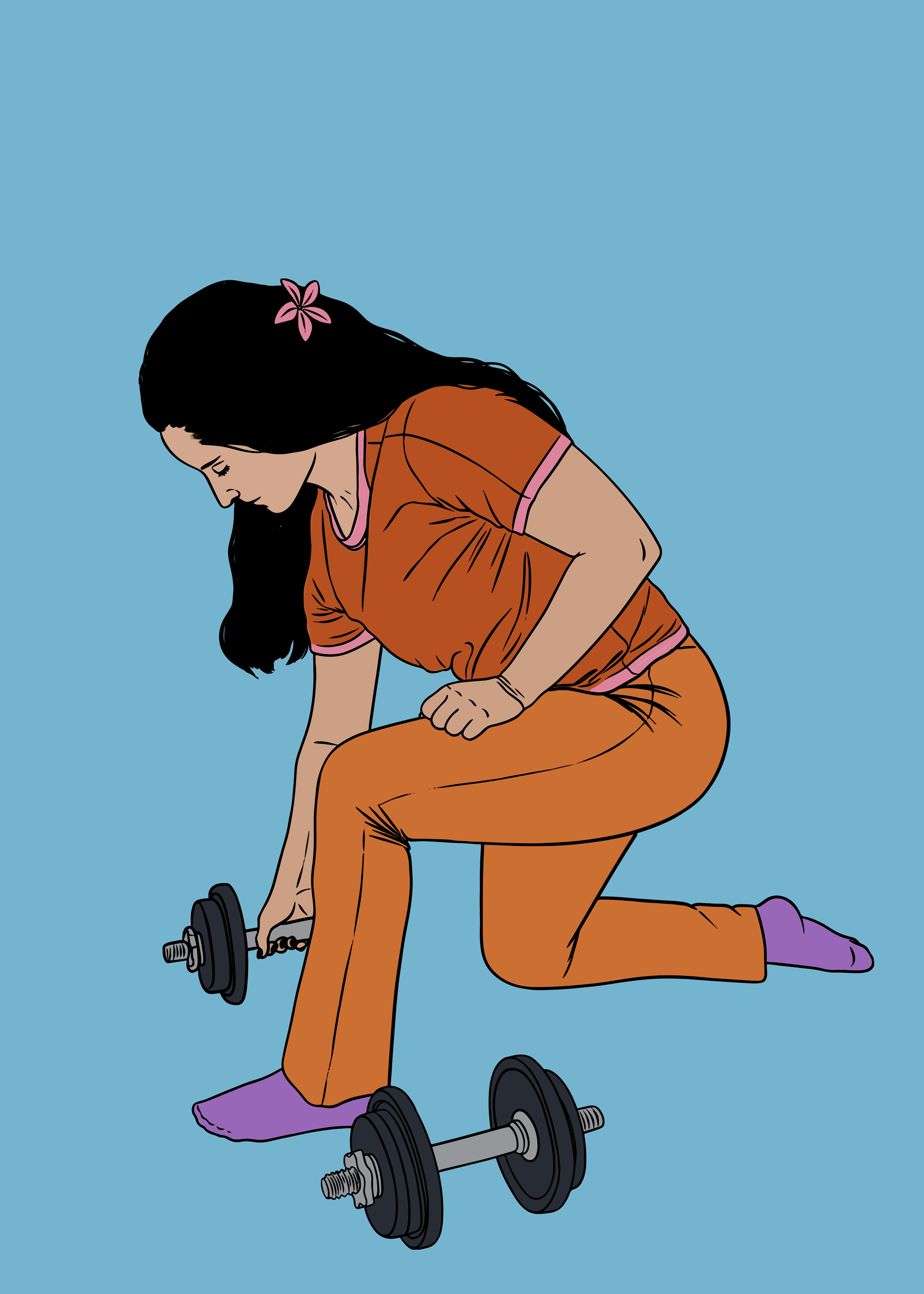
Movement is often recommended after surgical menopause — but many women find that exercise suddenly feels harder, less rewarding, or actively draining.
That doesn’t mean movement isn’t helpful. It means the type and timing matter.
Why exercise can feel different now
Oestrogen supports muscle recovery, joint lubrication, and energy regulation. When levels drop, recovery time often increases and tolerance for high-intensity exercise may decrease.
Pushing through fatigue can backfire, leading to flares in pain, sleep disruption, or mood symptoms.
When “pushing through” makes things worse
If exercise consistently leaves you exhausted for days, disrupts sleep, or worsens anxiety, it may be too intense for where your body is right now.
This isn’t weakness. It’s feedback.
What tends to help most
Many women feel better with gentler, more consistent movement: walking, swimming, Pilates, yoga, or light strength work. These support circulation, mood, and bone health without overwhelming the system.
Strength training remains important, but often works best when introduced gradually and paired with adequate rest and nutrition.
Listening to your body without fear
Learning to adjust movement rather than abandoning it altogether can feel empowering. Some days will be stronger than others. That variability is normal.
SURGE Suggestions
Choose consistency over intensity
Allow longer recovery between sessions
Stop before exhaustion, not after
Prioritise movement that feels supportive
Adjust expectations without self-criticism
