
Inflammation, Sensory Sensitivity and Physical Overwhelm After Surgical Menopause
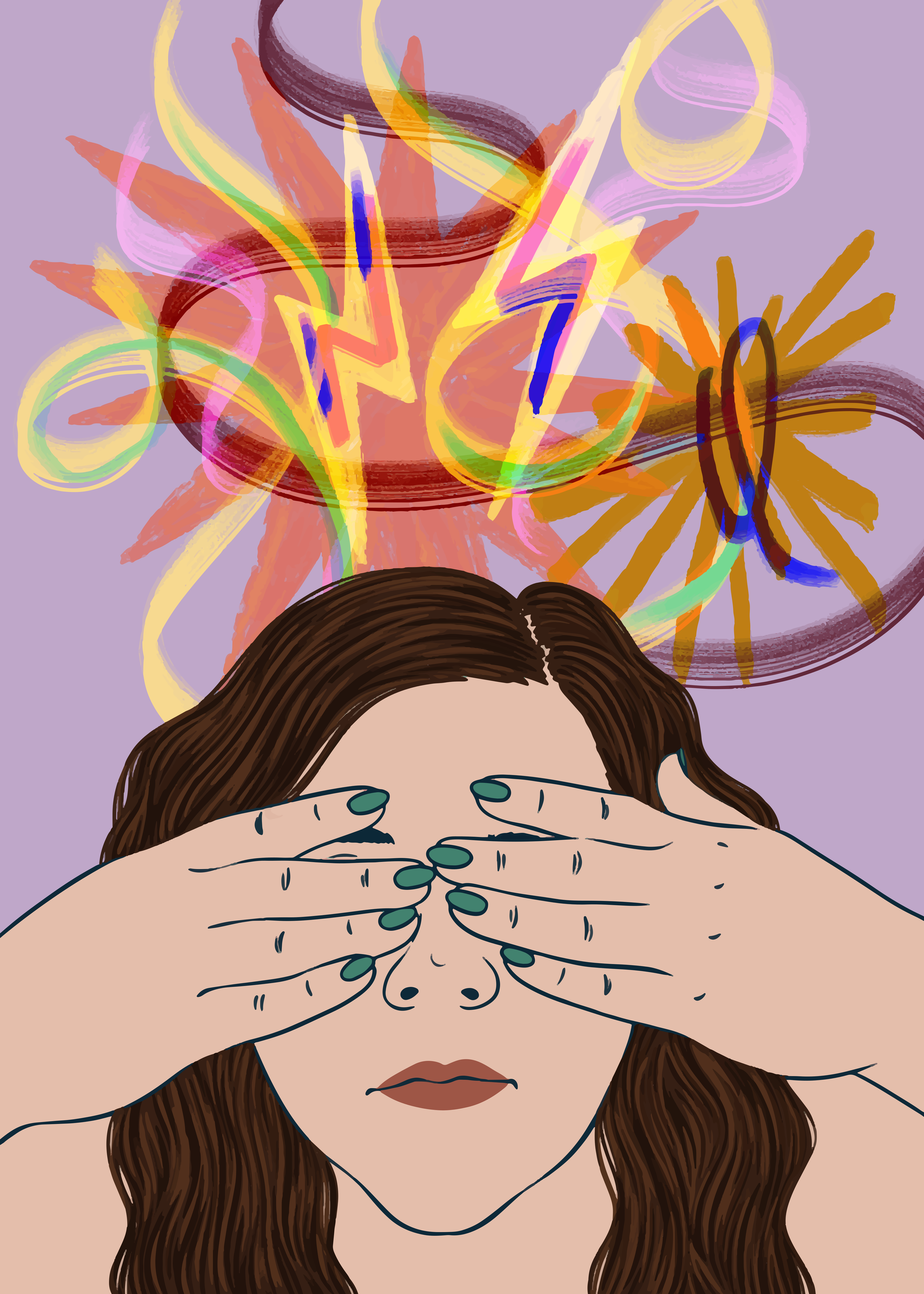
After surgical menopause, many women notice their tolerance for everyday stimuli drops sharply. Noise feels louder. Light feels harsher. Clothes irritate the skin. Temperature changes feel extreme. Pain seems to travel or flare without warning.
This heightened sensitivity can feel frightening, especially if you’ve never experienced anything like it before.
What’s happening is not imagined. It’s a body and brain responding to sudden change.
Why sensitivity can increase after ovary removal
Ovarian hormones help regulate inflammation and modulate how the nervous system processes sensory input. When those hormones drop abruptly, the nervous system can become more reactive.
Signals that were once filtered out or dampened may now register more strongly. The brain’s “volume control” is less effective, which can make the world feel overwhelming.
This heightened state is exhausting. It can also make emotional regulation harder, as the brain has fewer reserves to manage stress.
The role of inflammation in sensory overload
Inflammation doesn’t just affect joints or muscles. It affects the brain too. Low-grade, systemic inflammation can amplify pain perception, worsen fatigue, and increase sensitivity to light, sound and touch.
After surgical menopause, inflammatory responses may increase due to hormonal change, stress, poor sleep, or overexertion. This can create a feedback loop where physical discomfort increases mental overwhelm, which then further heightens physical symptoms.
When the body feels constantly “on edge”
Many women describe feeling as though their body never fully relaxes. Muscles stay tense. The nervous system feels permanently switched on. Small stresses can trigger disproportionate physical responses.
This is often a sign that the nervous system is spending too much time in a heightened alert state. It’s not a sign of weakness. It’s a protective response that hasn’t yet recalibrated.
Why pushing through can make things worse
When sensitivity is high, pushing through discomfort can worsen symptoms rather than resolve them. Loud environments, intense exercise, restrictive diets, or packed schedules can overload an already stretched system.
This doesn’t mean avoiding life. It means choosing support over endurance.
Learning where your threshold sits — and respecting it — is a key part of recovery.
Supporting regulation rather than suppression
There’s a temptation to search for something that will “switch off” symptoms. In reality, calming an overstimulated system works better than trying to suppress individual sensations.
Regular meals, steady blood sugar, hydration, and consistent sleep routines all help reduce inflammatory load. Gentle movement supports circulation without adding stress. Reducing sensory input where possible gives the nervous system space to settle.
Simple changes, layered together, are often more effective than dramatic interventions.
Allowing sensitivity to soften over time
For many women, sensory sensitivity does improve as the brain and body adapt. This process can be slow and uneven, with good days and setbacks.
What often helps most is removing pressure to cope “normally” and replacing it with permission to respond honestly to what your body is signalling.
Sensitivity is not a permanent state. It’s a phase of adjustment that deserves care.
SURGE Suggestions
Reduce sensory overload where possible (noise, light, crowded environments)
Support inflammation with regular nourishment and hydration
Prioritise sleep and rest as active recovery tools
Choose gentle, regulating movement over intensity
Avoid extremes in diet, exercise or schedule
Listen to early signs of overload rather than pushing through
Seek support if symptoms feel unmanageable or worsen
