
Ready for intimacy? Here’s what you should know when the spark returns
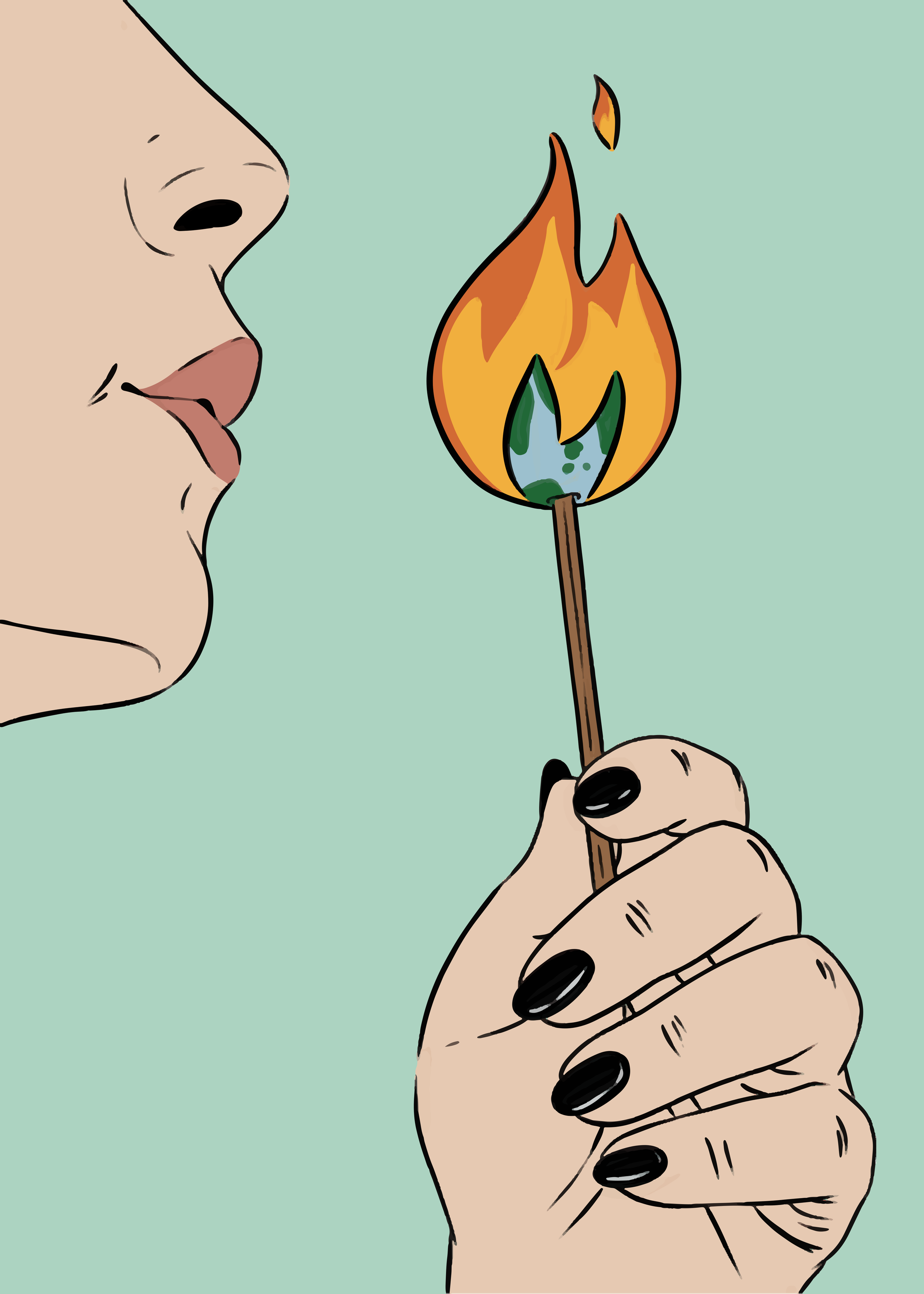
Intimacy often changes after surgical menopause, even in loving, secure relationships. For some women the shift is physical. For others it’s emotional. For many, it’s both.
What makes this particularly difficult is that these changes are rarely talked about openly. Women are left trying to make sense of new feelings, new limits, and new needs without a shared language for what’s happening.
Why intimacy can feel different
Surgical menopause affects the systems that underpin intimacy: hormones, nervous system regulation, body confidence, energy, and emotional safety. Desire may fade. Arousal may feel slower or absent. Touch that once felt neutral or pleasurable may now feel uncomfortable or overwhelming.
At the same time, surgery itself can change how you relate to your body. Scars, pain, fatigue, and a loss of trust in how your body behaves can all make intimacy feel more complex.
This doesn’t mean intimacy is no longer possible. It means the context has changed.
Emotional closeness versus physical intimacy
Many women notice that emotional closeness remains, or even deepens, while physical intimacy becomes harder to access. Others experience the opposite — a sense of emotional withdrawal alongside physical discomfort.
Both experiences are common.
Intimacy is not just about sex. It includes affection, touch, reassurance, humour, shared vulnerability, and feeling emotionally safe with another person. When physical intimacy feels difficult, these other forms of connection often become even more important.
The role of fear and anticipation
If sex has become painful or uncomfortable, fear can begin to lead the experience. Anticipation of pain is often enough to trigger muscle tension, reduced lubrication, and emotional shutdown before anything has even happened.
This is not something you can reason your way out of. It’s a protective response.
Creating safety — emotional and physical — is key to easing this cycle.
What helps intimacy adapt
Many women find that intimacy improves when pressure is removed. This might mean taking penetration off the table for a while, slowing things down, or redefining what intimacy looks like altogether.
Open communication matters, but it doesn’t have to be heavy or clinical. Simple honesty — “my body feels different”, “I need to go slower”, “this is still tender” — can reduce misunderstanding and resentment on both sides.
Addressing physical discomfort, such as vaginal dryness or pain, is also crucial. Intimacy is far more likely to feel possible when the body feels supported.
Letting intimacy evolve
Intimacy after surgical menopause may not look the same as before — but different doesn’t mean worse. Many couples find that intimacy becomes more intentional, more communicative, and more emotionally connected over time.
There is no right timeline, no correct frequency, and no single way intimacy should look.
SURGE Suggestions
Remove pressure to resume sex quickly
Focus on emotional safety and communication
Address physical discomfort directly
Redefine intimacy beyond penetration
Allow intimacy to evolve rather than forcing it
