
Physical symptoms of surgical menopause
Hot flushes and night sweats
Sudden waves of heat that can leave you drenched, dizzy and disoriented. They often come day and night, disrupting sleep and confidence in public and have a pesky habit of arriving at the most inconvenient moments.
Flushing across the face, chest and neck
Dripping sweats, often occuring during the night as you sleep
Dizziness or nausea during an episode
Cold flushes and chills
Insomnia and disrupted sleep
Falling asleep becomes difficult; staying asleep feels impossible. Hormonal withdrawal alters your sleep rhythm, while night sweats wake you repeatedly.
Frequent waking in the early hours
Getting up to pee during the night and unable to get back to sleep easily
Racing thoughts and restlessness
Daytime exhaustion or “wired-but-tired” feeling
Vivid dreams, nightmares and night terrors
Changes to smell and taste
Hormonal shifts can alter our sensory perception including changes to our sense of smell and taste. Some women also experience phantom smells that can be disconcerting. This can also be caused by dry mouth, or dental issues caused by loss of oestrogen.
Foods tasting metallic, bitter or “off”
Stronger or reduced sense of smell and taste
Smelling unusual or ‘phantom’ smells - cigarettes, mouldy food, rubbish
Change in the way you perceive your partner’s natural scent, perhaps negatively
Change to your body odour, and the way it smells to you
Changes in weight and body shape
Fat tends to shift towards the abdomen, even without changes in diet or exercise, as metabolism and insulin sensitivity change after ovary removal. Insulin resistance is common for women in surgical menopause and should be monitored.
Bloated or puffy midsection
Muscle loss from thighs and arms
Difficulty maintaining previous weight
Changes to digestion and your gut health
Loss of oestrogen affects our gut motility and the microbiome, so its loss can alter digestion. This can result in discomfort, bloating, and issues going to the loo. It’s worth speaking to a doctor if any of these symptoms persist.
Bloating, cramping or trapped wind
Increased flatulence and pungent gas
Constipation, diarrhoea or swinging between the two
Discomfort and slow gut motility
New food sensitivities or IBS-like symptoms
Feeling of incomplete emptying when passing stools
Breast changes
Oestrogen loss can leads to a reduction in breast tissue density and elasticity, changing the size and shape of your breasts.
Soreness or tenderness around the time of patch changes
Noticeable sagging or loss of fullness in the breast and breast tissue
Skin thinning or puckering (always get this checked out)
Changes to colour or size of nipple
Lumpy breasts – often harmless cysts or fibrocystic changes, but always seek medical advice for any new lump, unusual pain, or discharge from the nipple.
Tinnitus (ringing in the ears)
Falling oestrogen levels can affect circulation and auditory nerve function, causing persistent ringing or humming that can drive you bonkers, especially when you are trying to sleep.
Constant or intermittent noise in one or both ears
Humming, buzzing, ringing or hissing sounds
Sensitivity to sound
Dizziness or balance issue
New or worsening allergies
Oestrogen supports our immune balance; its loss can trigger hypersensitivity in our body and increased histamine reactions, even to food, drink or products that we’ve previously tolerated well.
Heightened response to dust, pollen, food or alcohol
Skin rashes, itchy skin and hives
Itchy ears, tongue or mouth
Increased histamine reactions or “menopause allergies”

Let’s take a closer look:
Bladder and pelvic changes
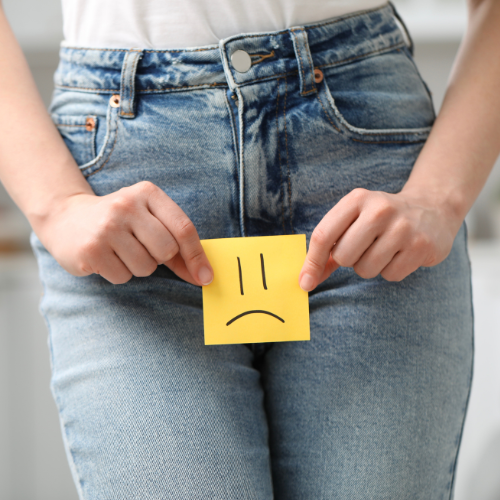
Oestrogen supports the bladder and pelvic floor. Without it, you may notice increased urgency, frequency, leaks, or recurrent urinary tract infections.
Sudden urge to pee, often with little warning and causing you to dash for the loo
Leaking wee when coughing, sneezing, running or jumping
Burning, stinging or pressure after urination
Waking up to pee in the night
Recurrent urinary tract infections (UTIs) or bouts of cystitis that don’t seem to respond to medications.
Fatigue and low energy
We’re not talking about needing an early night or two - this is deep “in-your-bones” exhaustion that doesn’t lift with rest. Oestrogen helps regulate energy metabolism, so its loss can make every task feel harder and like you are wading through mud.
Feeling heavy-limbed or sluggish
Needing naps through the day, but still feeling drained
Loss of energy and stamina for work or exercise
A feeling of ‘meh’ about things you usually find enjoyable.
Joint and muscle pain
Many of us feel a bit creaky as we get older, but for women in surgical menopause the aching, stiffness and inflammation are common and often more difficult to manage. Affecting the hips, back and knees in particular. Many women describe feeling as if they’ve aged overnight and find that they feel the joint and muscle pain mostly in the morning.
Chronic bone ache
Localised joint inflammation – often affecting knees, toes, fingers and wrists.
“Shattered shins” sensation, or deep muscular soreness
Jaw pain and tension in the face and neck
Clicking or locking in joints - shoulder, jaw, elbow, knees etc.
Vaginal dryness and pain
As oestrogen levels drop, the delicate membranes in our vagina and vulva can thin and become drier. This can cause itching, soreness and pain during sex. This is part of genitourinary syndrome of menopause (GSM).
Burning or stinging sensations
Tearing or bleeding when wiping or clothes (pants) brush against your vulva
Clitoral or labial atrophy or shrinkage
Recurrent irritation or discharge – particularly watery, clear discharge that can indicate the vagina is working overtime to lubricate.
Pain, discomfort and/or bleeding during or after sex
Headaches and migraines
Sudden hormonal changes can trigger or worsen migraines and tension headaches.
Sharp one-sided pain or visual aura
Pressure behind the eyes
“Hormone headaches” that flare before patch change or at night
Heart palpitations
A racing, fluttering heartbeat (sometimes mistaken for panic or anxiety) can be one of the first symptoms women notice after surgery.
Skipping or pounding heartbeat
Chest tightness or fluttering in the throat
Sudden surges of adrenaline or panic
Skin, hair and dental changes
Dryness, thinning hair, brittle nails and a sudden loss of elasticity in the skin are all linked to low oestrogen and collagen decline. If you feel like you’ve aged in a matter of weeks, you aren’t alone.
Flaky or dry skin
Increased hair shedding
Fine lines appearing rapidly
Appearance of grey hairs (and pubes!)
Chin hairs and moustache
Adult acne and ‘backne’
Brittle nails that break or tear easily
Hives or itchy skin including in your ears
‘Creepy crawly skin’ like bugs are under your skin
Gum problems, loose or broken teeth
Burning mouth and tongue
Electric shock sensations or buzzing or ‘zinging’ sensations under the skin