

Why You Can't Sleep After Surgical Menopause (And What To Do About It)
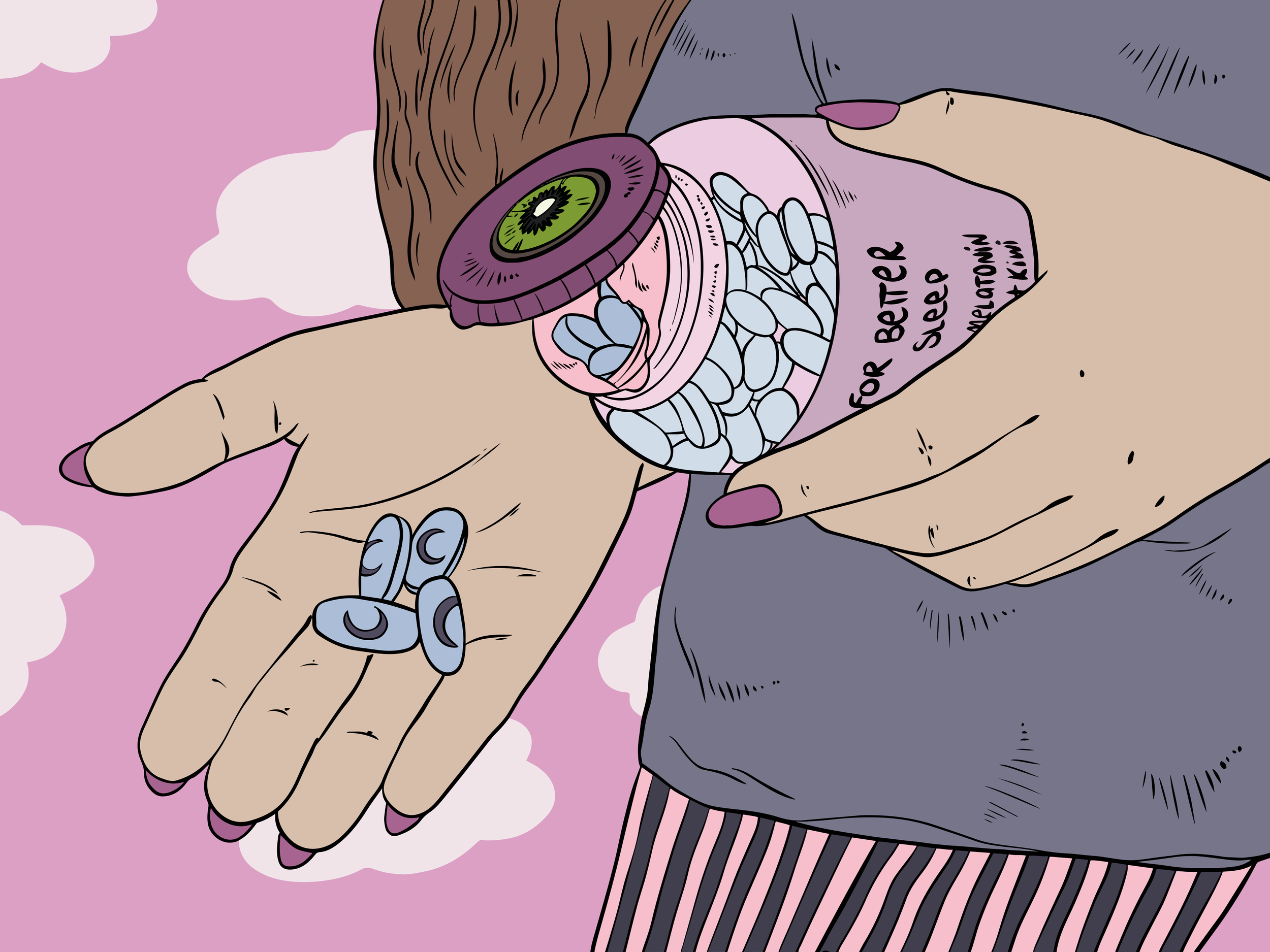
Are you finding that you are frequently lying awake staring at the ceiling – exhausted but wired, drifting off only to wake at 3am in a pool of sweat. Sound familiar?
Insomnia after surgical menopause is one of the most reported – and most underestimated – symptoms women experience. It's not just tiredness. It's a specific, relentless kind of sleep disruption that can leave you feeling like a completely different person.
Here's what's actually happening, and what can genuinely help.
Why Does Surgical Menopause Cause Insomnia?
In natural menopause, oestrogen declines gradually over years. In surgical menopause (following a bilateral oophorectomy (ovary removal) or certain other gynaecological procedures) that drop happens overnight. Literally.
Oestrogen doesn't just regulate your reproductive system. It plays a direct role in the structure of your sleep cycle. It affects your body temperature regulation, your stress response, and your production of serotonin, which your body converts to melatonin (your sleep hormone). When oestrogen crashes suddenly, all of that goes haywire at once.
The result? A perfect storm of:
Night sweats that drench your sheets and jolt you awake
Racing thoughts and anxiety that kick in the moment you try to rest
Difficulty falling asleep (sleep onset insomnia)
Waking repeatedly through the night
Early morning waking (usually between 3–5am) with no ability to fall back to sleep
Feeling completely unrefreshed even when you do sleep
This isn't your body failing you, it’s your body responding to a profound hormonal shift that it’s had no time to adjust to.
How Long Does Insomnia After Surgical Menopause Last?
This is the question we all want answered. Is insomnia temporary?
For women who start HRT (hormone replacement therapy) promptly after surgery, sleep often begins to improve within a few weeks as oestrogen levels stabilise. For women who can't take HRT, or who are still finding the right dose, insomnia can persist for months.
What we do know is that untreated surgical menopause insomnia tends to compound. Poor sleep raises cortisol. Raised cortisol disrupts sleep further. Disrupted sleep worsens hot flushes. Hot flushes disrupt sleep. And so the cycle continues.
Breaking that cycle early can make a big difference.
What Actually Helps: Sleep Strategies That Work
There's no single fix, but there are approaches that make a real difference for women navigating insomnia after surgical menopause.
1. Talk To Your Doctor About HRT
If you haven't already, this is the most important conversation to have. For women in surgical menopause, HRT isn't just about managing hot flushes — it addresses the root cause of many sleep disruptions. NICE guidelines recommend HRT for women under 50 who have had a bilateral oophorectomy, because the long-term health implications of untreated oestrogen deficiency go well beyond sleep.
If you've been told you can't have HRT, or if you're waiting to start it, ask your GP specifically about sleep support in the interim. You deserve more than 'just wait and see.'
2. Cool Your Sleep Environment
Night sweats are one of the primary sleep disruptors in surgical menopause. Making your bedroom as cool as possible gives your body less to fight against. Think: a cooler room temperature (around 16–18°C), moisture-wicking bedding, a fan, and lightweight nightwear. Some women swear by a cooling pillow insert or a chillow pad.
3. Create a Wind-Down Ritual
Your nervous system needs a reliable signal that it's safe to slow down. In surgical menopause, when anxiety and a ramped-up stress response are part of the picture, this matters more than ever. Even 20–30 minutes of consistent wind-down can begin to retrain your nervous system over time. Consider a warm bath, gentle stretching, no screens, and a calm playlist as ideas for creating and protecting this time of your day.
4. Examine Your Relationship with Alcohol and Caffeine
We know it can be tempting to see alcohol as a quick pass to induce sleep if you are struggling to nod off. Alcohol may help you fall asleep, but it actively disrupts sleep quality in the second half of the night, and it can trigger more intense hot flushes.
Likewise, caffeine has a half-life of around 5–6 hours, meaning a 3pm tea or coffee is still half-active in your system at 9pm. But both alcohol and caffeine can make surgical menopause insomnia significantly worse, so it’s worth experimenting with cutting both back and tracking whether your sleep changes.
5. Consider CBT-I
Cognitive Behavioural Therapy for Insomnia (CBT-I) is a structured programme that addresses the thought patterns and behaviours that maintain chronic insomnia. It has a strong evidence base and is increasingly recommended as a first-line treatment. It can be accessed through your GP, some NHS trusts, or via digital programmes like Sleepio.
6. Try Magnesium Glycinate
While the evidence isn't definitive, many women anecdotally report that magnesium glycinate (as opposed to magnesium oxide) helpful for sleep quality and anxiety, particularly the leg cramps and restlessness that can plague women in surgical menopause. Always check with your doctor or pharmacist before starting any supplement, particularly if you're on other medications.
The Emotional Weight of Not Sleeping
Insomnia after surgical menopause isn't just a physical problem. It's an emotional one too.
When you're already adjusting to a body that feels unfamiliar, grieving a version of yourself that existed before surgery, and managing symptoms across every system and then you can't sleep on top of that, it can feel completely overwhelming.
This isn’t something you are doing ‘wrong’. Sleep deprivation is genuinely cumulative and brutal. You deserve support that treats it with the seriousness it warrants.
When To Seek More Help
If insomnia is significantly impacting your daily functioning, your mood, your ability to work or care for others — please don't wait it out in the hope it passes. Go back to your GP and be specific: tell them how many nights a week this is happening, how long you've been awake, and how it's affecting your life. Bring notes if you need to.
You can also use our Symptom Guide and HRT Explained pages on SURGE to help you understand your options and go into appointments better prepared.
