

Grief, Relief & Everything In Between: Processing Your Feelings in Surgical Menopause
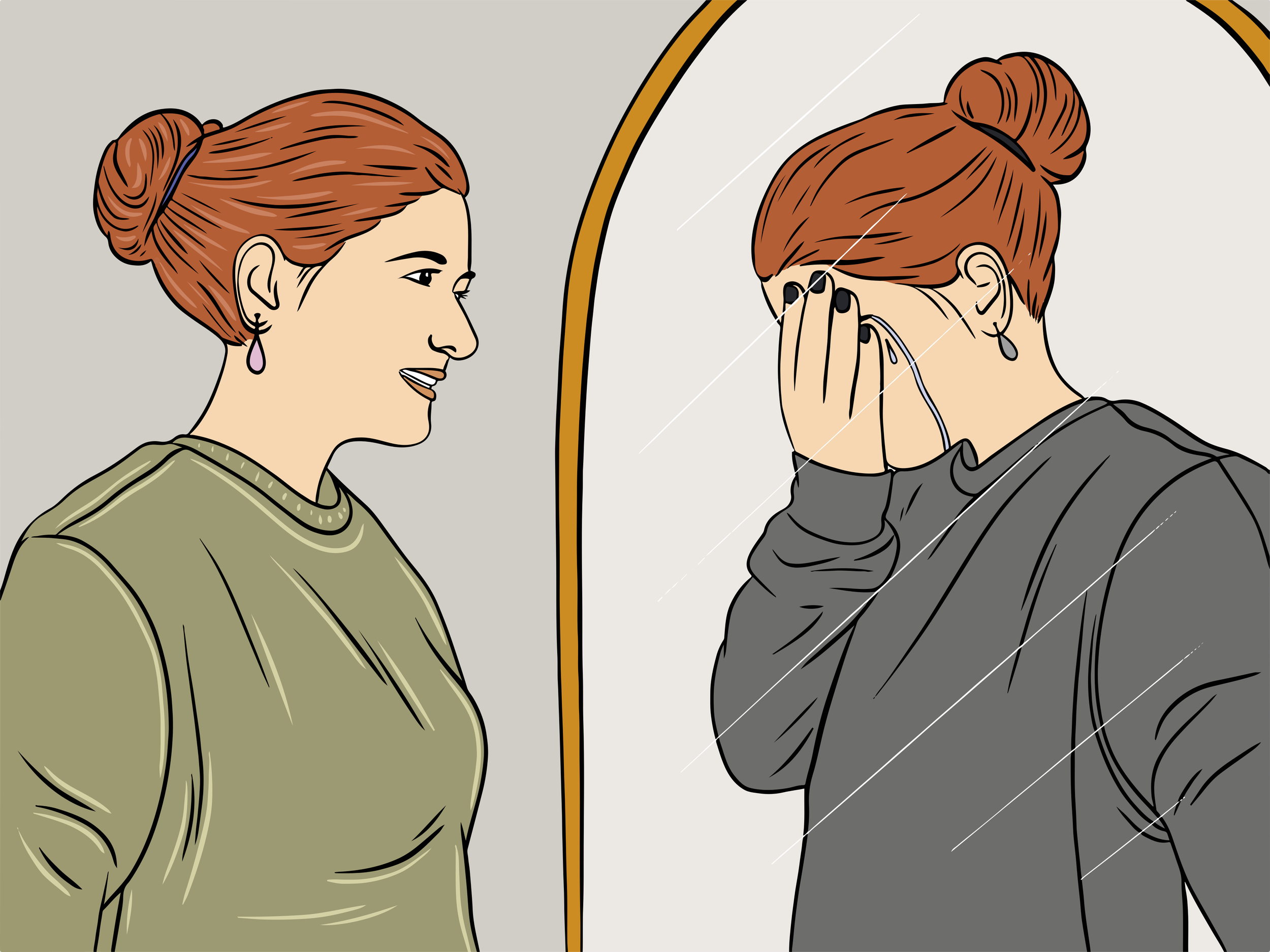
Whatever you felt when you woke up from surgery – it was right. All of it.
There is no correct emotional response to a hysterectomy, or removal of your ovaries. You might feel (or have felt relief) so overwhelming it surprised you. You might have felt (or feel) a grief you weren’t expecting – even if you never wanted children, even if the surgery was the best decision for your health. You might have felt both things in the same breath. Or you might experience nothing at all – a quiet numbness that you’re not sure what to do with.
The truth is, surgical menopause doesn’t just change your body overnight. It has an impact on your mind and emotions too, but this is the bit so often underdiscussed.
Why the Emotions Can Feel So Big (and So Confusing)
In natural menopause, oestrogen levels fall gradually over years. Your body – and your brain – has time to adjust to this new chapter of our lives. In surgical menopause, that transition happens in a matter of hours. Your oestrogen doesn’t decline: it drops off a cliff.
Oestrogen plays a significant role in regulating mood, and it’s deeply involved in how your brain produces and responds to serotonin and dopamine, the chemicals that influence how stable, happy and ‘like yourself’ you feel. When those levels plummet suddenly, your nervous system notices. This can mean you might find yourself crying without knowing why, or feeling flat when you expected to feel fine. Or you might be swinging between moments of real peace and unexpected sadness, sometimes within the same hour.
This isn’t weakness, it’s biology. Knowing that, and preparing for it, can be the first step to being gentler with yourself.
The Grief That Nobody Warned You About
Grief after a hysterectomy is real, and it can take many shapes.
For some women, it’s grief for the family they didn’t get to have, or the one they always assumed would still be possible one day. For others, it’s a quieter mourning for a version of themselves they’ve left behind. That might be your body before the surgery, or the hope you had for life after.
Sometimes, the grief isn’t about any of those things specifically. It’s just a heaviness that settles in and is hard to name, and that’s valid too.
What can make this harder is the well-meaning responses from the people around you. “At least they got it all.” “You’re so brave” “You must be so relieved it’s over.” These are meant kindly, but they can leave you feeling like your more complicated feelings have no place in the conversation. We’re here to say they do – they absolutely do.
And the Relief – Which Is Also Allowed
Here’s something that doesn’t get said often enough: feeling relieved is not something you need to apologise for or explain away.
If you’ve spent years managing endometriosis, fibroids, adenomyosis, cancer, (or simply pain that took over your life) the relief is an entirely rational response to that chapter being over. It doesn’t mean you didn’t value what you’ve been through, or that you’re not allowed to also feel grief. Emotions aren’t either/or. You can hold both, and many women do, often silently.
You can give yourself permission to feel relief, without immediately qualifying it, or feeling guilty. It’s an act of self-compassion worth practising, but especially right now.
What Helps: Practical Ways to Process
After the surgery, there’s a sense that we need to be ‘fixed’. But you don’t need to have it figured out already or even soon. The surgery is the first step in a long, complex process of bereavement, relief, freedom, anger and hope .
The good news is that there are things that can help you move through the emotional fog rather than getting stuck in it, and lead you to a future in surgical menopause where you thrive, not simply feel like you are surviving.
Name what you’re feeling, even if it’s messy. ‘I feel sad and I don’t totally know why’ is a complete sentence. Journalling, voice notes, or simply saying it out loud to someone you trust can be surprisingly powerful. Not because it fixes anything, but because it makes the feeling real and therefore something you can work with.
Find your people. There is a community of women who understand exactly what this feels like, because they’ve lived it. Online forums, support groups, and communities built specifically around surgical menopause can be genuinely life-changing when the people closest to you can’t quite grasp what you’re going through. Our community is a great place to start.
Talk to your GP or a therapist. If low mood, anxiety, or emotional numbness is significantly affecting your daily life, please do seek support. Sometimes what feels like a purely emotional response is actually a hormonal one – and HRT, if appropriate for you, can make a significant difference to how you feel. Your emotions deserve as much care as your physical recovery.
Be patient with your timeline. There is no point at which you should ‘be over it’. Healing – physical and emotional – is not linear. Some days will feel like steps backwards. That’s not failure, that’s just how this goes.
