

Surgical Menopause Case Studies
Note to Journalists: Please don’t use our case studies without permission. To speak to any of the women featured below, please email hello@surgemenopause.com. Thank you
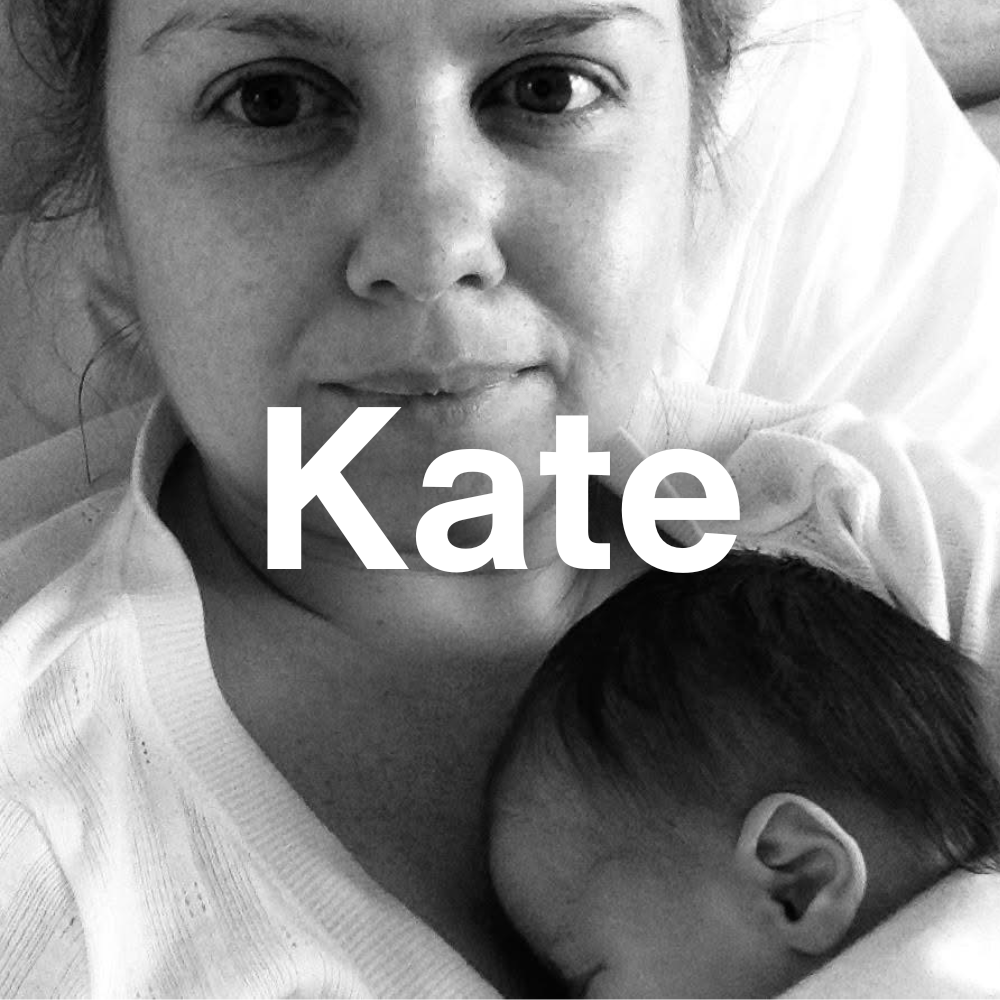
Kate, Hastings
At 40, I had surgery to remove both of my ovaries and fallopian tubes after years of pain from endometriosis and adhesions. I was told the operation would help me feel better, but I wasn’t prepared for what came next. Overnight, I was plunged into surgical menopause — a state of complete hormone deprivation — with no explanation, no plan for HRT, and no understanding of what it would do to my body or mind.
Within days, I was overwhelmed by hot flushes, insomnia, anxiety, and a deep emotional crash that felt impossible to describe. I thought I was losing my mind. No one had warned me that this was the impact of losing my hormones so suddenly, or that there was support available — if only someone had thought to offer it.
In the weeks that followed, I began to piece together what had happened to me. Through my own research, conversations with other women, and the community I’ve built through The Motherload, I realised just how many of us were being left to manage surgical menopause alone.
That’s why I founded SURGE — to use my voice and lived experience to push for real change. Women deserve proper care, informed choices, and hormonal support when they go through surgical menopause. No one should wake from surgery to find themselves in a crisis they didn’t even know to expect..

Lisa, Nottinghamshire
“With no information about surgical menopause given to me before or after my operation, I found myself searching for answers and solutions. I felt alone and isolated and struggled to accept this was the ‘new me’.
As a therapist, I thought I had encountered every kind of suffering — but I was wrong. The suffering of women in surgical menopause is very real and unnecessary. My surgery was supposed to give me back my life, but it has taken years to find the right help, and even now, I worry how long I can afford the care I need.”

My recovery was complicated — I experienced profuse bleeding for nine weeks, requiring frequent transvaginal scans due to a pelvic haematoma. Five months later, one April night, I woke suddenly with severe heart palpitations. What followed was one of the most devastating experiences of my life.
Despite explaining to my GP that I’d undergone hysterectomy surgery, I was offered antidepressants instead of HRT. These medications caused hearing damage and high-pitched tinnitus, leaving me sleepless, anxious, and terrified. Over the following nine weeks, I suffered intense panic attacks, a racing heart of up to 145 BPM, and total insomnia. My anxiety became so consuming that I lost four stone, stopped eating, and feared being left alone when my husband went to work. Sleeping tablets triggered vivid nightmares and dissociation. I was no longer myself. Eventually, my GP told me the problem was “mainly psychological” and referred me to secondary mental health services. I truly thought I was losing my mind.
With nowhere else to turn, we sought private menopause care—a huge financial burden as I wasn’t working. Even then, I struggled to absorb transdermal HRT. Blood tests confirmed poor absorption and that my remaining ovary had failed completely. Each medication adjustment triggered fresh waves of anxiety I didn’t understand.
It took nine months of trial and error before I began to feel like myself again. The turning point came when I added testosterone alongside oestrogen and progesterone. Only then did my mind truly start to recover. I now require off-license HRT levels, which many clinicians are reluctant to prescribe or even acknowledge.
No one in 2025 should undergo surgery that impacts ovarian function without being fully informed about surgical menopause and the critical role of HRT in recovery and wellbeing.
At age 42, just five months after undergoing a hysterectomy, I was thrust into surgical menopause when my one remaining ovary failed. My hysterectomy had been performed due to adenomyosis and stage IV endometriosis, following a decade-long struggle with infertility and more than twenty years of misdiagnosis—often dismissed as IBS, food intolerances, and “just bad periods.”
Before my operation, I had detailed discussions with my medical team about potential surgical risks — including the possibility of a colostomy — yet surgical menopause was never mentioned. Menopause, in general, was briefly discussed: I was told I might experience “a few hot flushes” and “vaginal dryness,” and was advised to join a Facebook support group called Hystersisters.
I had chosen to retain my ovaries if they appeared healthy. When I awoke from surgery, I was informed that one had been removed, and the other was “fine.” I was discharged with instructions to “see how I go.”
Aliex, Monmouthshire

Tash, Staffordshire
After a breast cancer diagnosis at 34, genetic testing confirmed a BRCA mutation. At 36, Tash chose risk-reducing bilateral salpingo-oophorectomy and was plunged into surgical menopause with no offer of HRT, little information, and no structured follow-up. The experience now drives her to raise awareness of surgical menopause in younger women, open up conversations about alternatives when HRT isn’t offered or is contraindicated, and highlight how cancer pathways and genetics can fast-track women into surgical menopause.