
Brain Fog and Cognitive Changes After Surgical Menopause
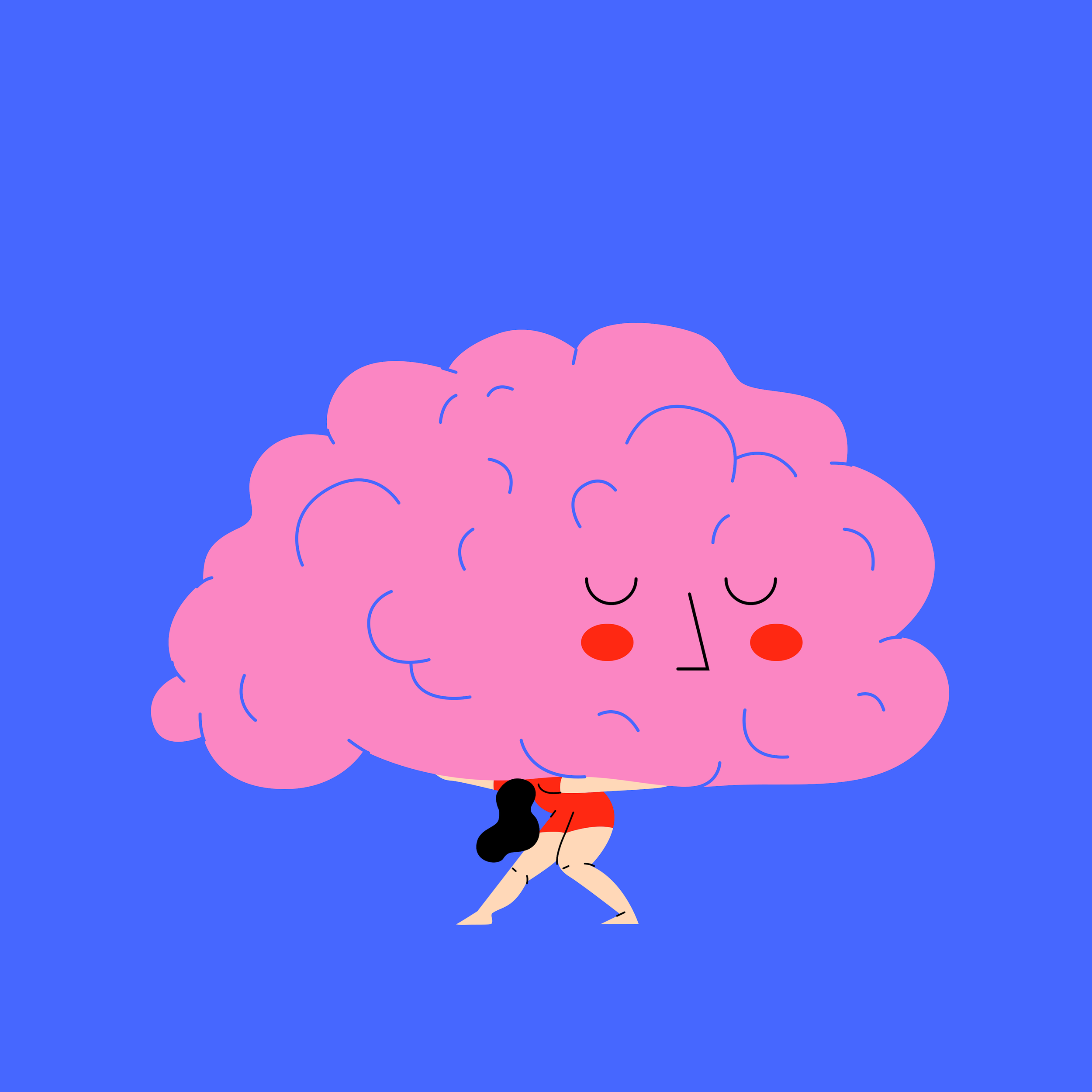
Brain fog is one of the most distressing and underestimated effects of surgical menopause. Difficulty concentrating, losing words mid-sentence, poor short-term memory, mental fatigue and a sense that your brain just isn’t working properly are all commonly reported.
For many women, this is more frightening than physical symptoms.
Why the brain is affected after ovary removal
Oestrogen plays a role in blood flow to the brain, glucose metabolism, neurotransmitter function and synaptic signalling. When ovarian hormones drop suddenly, the brain has to adapt quickly, without the gradual adjustment seen in natural menopause.
This can temporarily affect attention, processing speed, working memory and mental stamina.
Brain fog is not a sign of intelligence loss. It’s a brain under metabolic and neurological stress.
What brain fog can look like day to day
Cognitive changes don’t always show up as forgetfulness alone. Many women describe feeling mentally slower, easily overwhelmed, unable to multitask, or exhausted by thinking itself.
You may struggle with decision-making, reading, conversations, or work that once felt easy. This can knock confidence and increase anxiety, creating a vicious cycle.
How stress and fatigue worsen cognitive symptoms
The brain is highly sensitive to sleep disruption, stress hormones and blood sugar instability. Poor sleep, under-fuelling, and emotional strain can significantly worsen cognitive symptoms after surgical menopause.
This is why brain fog often fluctuates rather than staying constant.
Supporting brain health in everyday ways
Whether or not you use HRT, cognitive support starts with foundations: regular meals, adequate protein, hydration, gentle movement, and prioritising sleep. Reducing mental overload and allowing rest for the brain matters as much as physical rest.
Many women find cognitive clarity improves gradually as the brain adapts, especially when pressure to “perform normally” is reduced.
SURGE Suggestions
Recognise brain fog as a physiological response, not failure
Support blood sugar and hydration throughout the day
Protect sleep and mental rest
Reduce multitasking and cognitive overload
Seek reassurance if cognitive changes feel severe or worsening
